Guide · September 2026
Every style on the menu, translated.
Updated 29 September 2026
Tui Na, Thai, Swedish, Balinese, reflexology: Macau's menus offer all of them, and the names don't always mean what you'd guess. What each style actually involves, how firm it runs, and which one matches what you walked in with.
Key facts
- Firmest
- Tui Na: Chinese therapeutic work. Expect it to feel like treatment, not pampering.
- Gentlest
- Swedish or aromatherapy: oil, gliding strokes, the safest first-timer pick.
- Most physical
- Thai: clothed, on a mat, with assisted stretching.
- Caveat
- Style names aren't standardised across venues, so ask what's included before booking.
The styles
What each style actually is
Tui Na (Chinese therapeutic)
Firm, targeted, and unapologetically clinical. Tui Na works acupressure points and kneads along the meridians, usually done clothed or draped, with little or no oil. This is the style for desk shoulders, a seized-up neck, or a back full of knots. It can be intense; therapists expect you to say when the pressure needs adjusting, so speak up rather than enduring it. The most widely available style in Macau's independent shops.
Thai massage
Yoga, done to you. Thai massage happens fully clothed on a floor mat: the therapist uses hands, elbows, knees and feet to compress muscles and guide you through assisted stretches. No oil, no table. Pick it for general stiffness, tight hips and hamstrings, or that locked-up feeling after a long flight. Shops provide loose cotton clothing. Don't wear anything tight.
Swedish massage
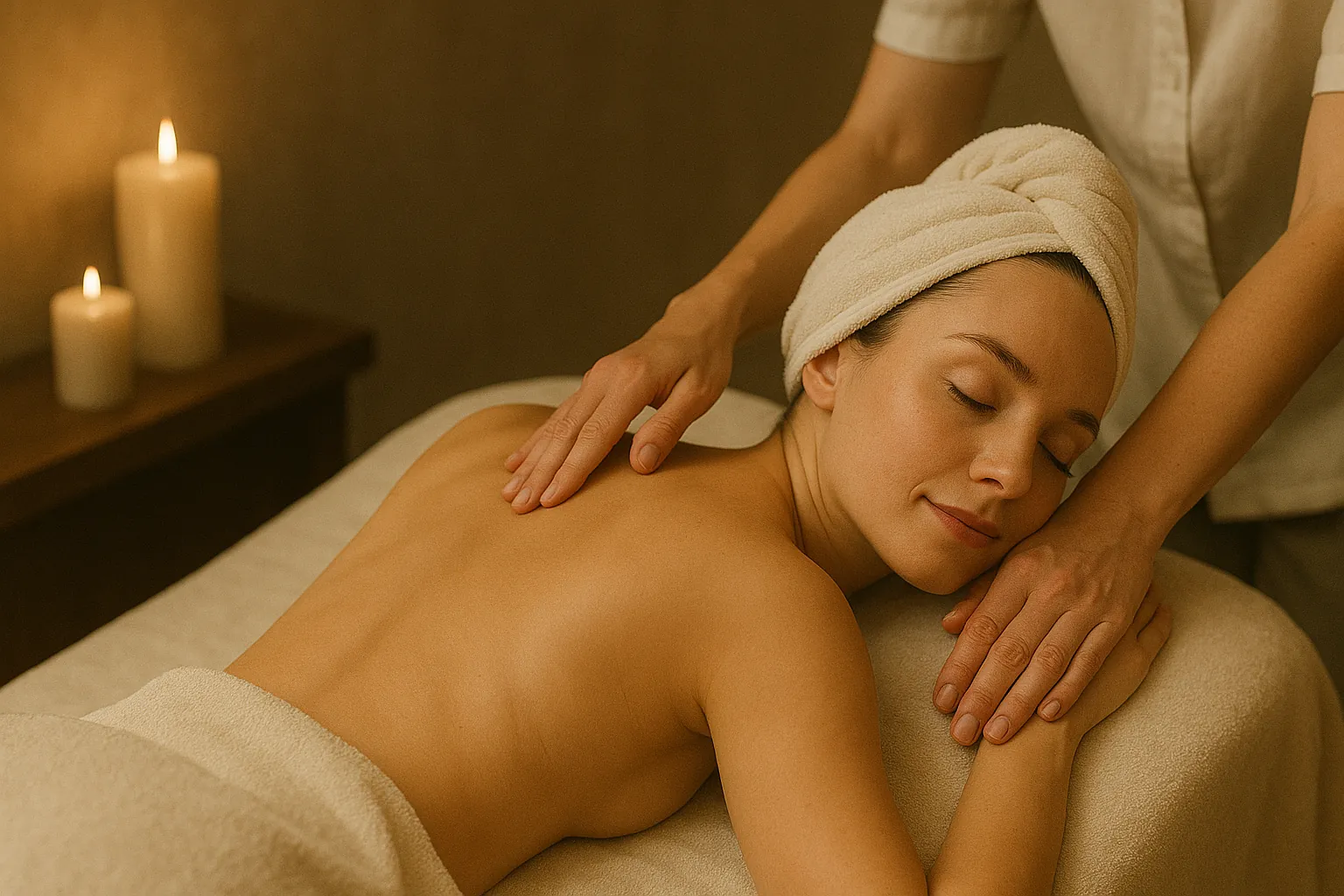
The universal default: warm oil, long gliding strokes, light-to-medium pressure, on a table. If you've only ever had one massage in your life, it was probably this. The right choice for first-timers, for pure relaxation, or when you want to be sure of what you're getting. It's the most standardised style on any menu.
Balinese massage
Swedish's deeper cousin: oil on a table, but with firmer, more rhythmic pressure and often some stretching and acupressure worked in. If Swedish sounds too light and Tui Na sounds too severe, Balinese is the middle path: deeply relaxing but with enough pressure to feel like something happened.
Foot reflexology
Macau's signature cheap luxury: 60 minutes of firm pressure-point work on the feet and calves, usually starting with a warm herbal foot bath, in a recliner, fully clothed. The pick for tired legs after a day walking the Cotai Strip. See the foot-massage chains guide for where to go and what it costs.
Aromatherapy massage
Essentially a Swedish-style oil massage with essential oils chosen for the effect: lavender for sleep, citrus for energy, eucalyptus for congestion. The technique is gentle; the oils do the talking. Best booked in the evening if better sleep is the goal.
Which one is yours?
- Knots and a stiff neck → Tui Na. Tell the therapist where it hurts and how firm to go.
- Stiff all over, hate oil → Thai. The stretching resets what sitting all day compressed.
- First massage, or just want to relax → Swedish. The safest, most predictable hour on any menu.
- Want deep pressure but make it relaxing → Balinese.
- Legs are wrecked from walking → Foot reflexology. An hour, a recliner, a fraction of a hotel-spa price.
- Stressed and sleeping badly → Aromatherapy in the evening.
Before you book
- Names aren't standardised. One shop's "deep tissue" is another's medium, and "aromatherapy" sometimes just means scented oil. Ask: oil or clothed? Table or mat? Which areas are included?
- Say what you want. Pressure level, focus areas, injuries: a two-sentence brief at the start beats an hour of wrong.
- Firm is normal in Tui Na; pain isn't. Discomfort that eases is the treatment working; sharp or lingering pain means speak up immediately.
- Hotel spas vs independent shops work differently for booking and pricing. The booking guide and prices page cover the mechanics, and etiquette covers tipping and what to expect.
Quick FAQ
What is Tui Na massage?
Chinese therapeutic massage: firm pressure, kneading and acupressure along the meridians, usually clothed with little or no oil. Best for knots and tension: it feels like treatment, not pampering.
What's the difference between Thai and Swedish?
Thai is clothed, on a mat, with assisted stretching and compression. Swedish is oil-based, on a table, with long gliding strokes. Thai for stiffness; Swedish for relaxation.
Which style is best for a first-timer?
Swedish or aromatherapy: gentle to medium, oil-based, the most predictable massage on any menu.
What do I wear for Thai massage?
Shops provide loose cotton tops and trousers; the massage is done fully clothed on a floor mat. Skip tight clothing and heavy jewellery.
Is Balinese deeper than Swedish?
Generally yes: same oil-on-table format, but deeper, more rhythmic pressure with stretching worked in. The middle ground between Swedish and Tui Na.
Do menu names always mean what they say?
No: style names aren't standardised. Ask what's included (oil or clothed, table or mat, which areas) before booking.
No booking links on this page. Ready to book a treatment? Compare spa vouchers on Macau Deals →
Nothing on this site is medical advice. Massage and facial treatments may be unsuitable in pregnancy or with certain injuries or health conditions; always tell the venue before your treatment and follow their guidance.